Complexity in Everyday Emotion
Each day, we feel–and we feel a lot: some research suggests we may feel at least some emotion 90% of the time. Yet, we don’t always deal with our emotions well–we still get angry at our coworkers, we feel disappointed when our hopes aren’t realized, and discouraged when we are rejected. Public discourse is filled with the prevalence of loneliness, depression, and anxiety, that, despite increasing efforts to combat, seem to only be getting worse.
In short, managing the many emotions we might experience in day-to-day life can be difficult. How then can we approach those emotions in a way that is useful and promotes well-being?
Many useful emotion regulation strategies have been identified by researchers, but these have historically been studied one or two at a time, in controlled and contrived environments. The first step to understanding what works in the real world is to understand what people are doing in the real world. We have begun to dig into this, and have found something that surprised us.
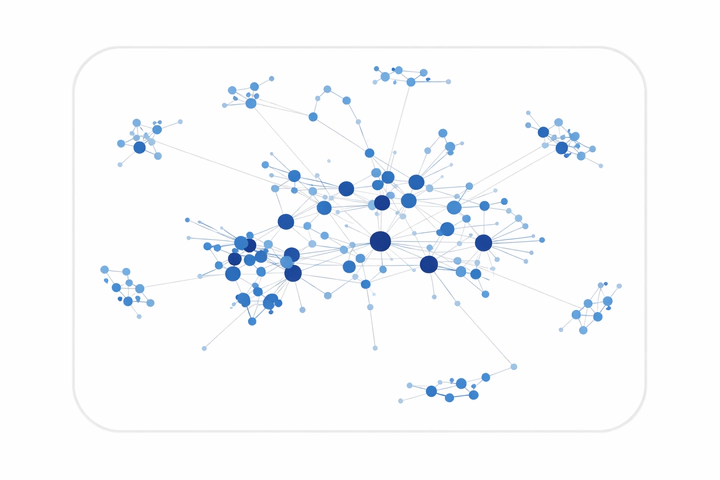
It turns out that regulating emotions in daily life can be much more complex than we previously realized. People often use many strategies together to regulate emotion: in our research, on average 4 strategies at a time, and in past research, 7 strategies at a time. This observation–and the potential different combinations people can come up with and use in different ways in different situations–speaks to immense complexity of regulating in daily life that we are just beginning to understand. On top of that, there’s good evidence that even the same strategies may operate differently in different situations, working in some situations but not in others.
In our current work, we are trying to get a sense of what real world regulation looks like, and when it works, for whom. In one study, we documented the diversity of tools people used from day to day to deal with their emotions and identified underlying features of combinations of strategies, rather than single strategies, that predicted effective regulation. In subsequent work, we are expanding on these findings to use novel ways to measure, model, and understand patterns of strategy use and efficacy in the complexity of everyday life.

Chayce Baldwin
PhD Candidate
Chayce Baldwin is a social psychologist studying well-being and culture using diverse methods and populations.